


Vertical and horizontal milling machines
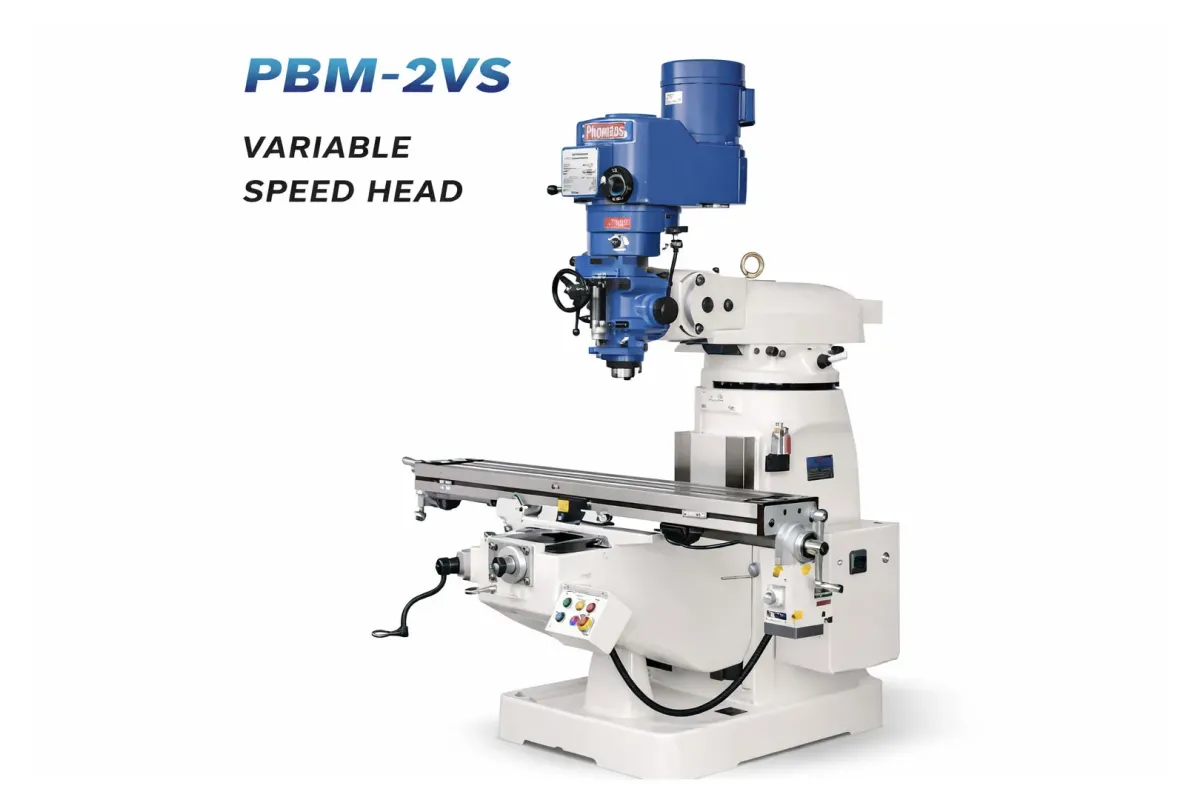
Phoebus PBM 2VS high-speed milling machine
| Technical specifications | |
|---|---|
X-axis travel: | 725 mm |
Y-axis travel: | 305 mm |
Z-axis travel: | 406 mm |
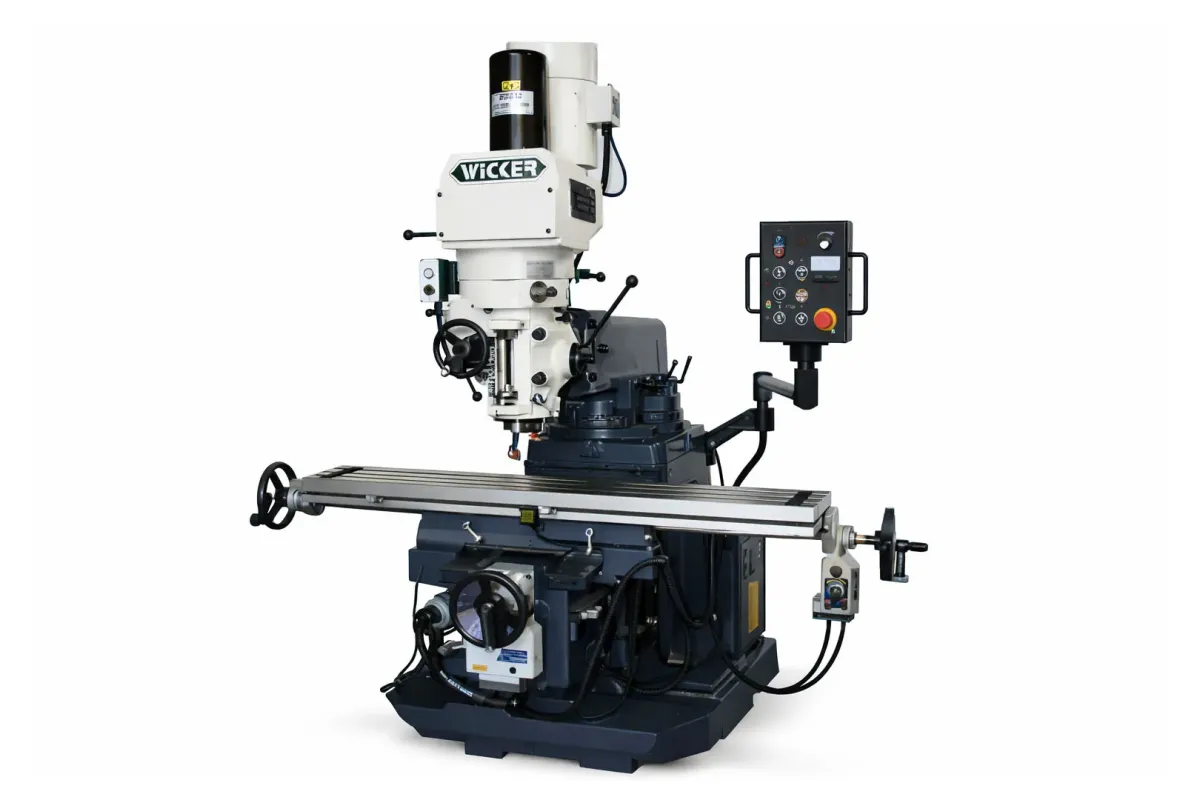
Phoebus PBM 4VSL high-speed milling machine
| Technical specifications | |
|---|---|
X-axis travel: | 880 mm |
Y-axis travel: | 400 mm |
Z-axis travel: | 450 mm |
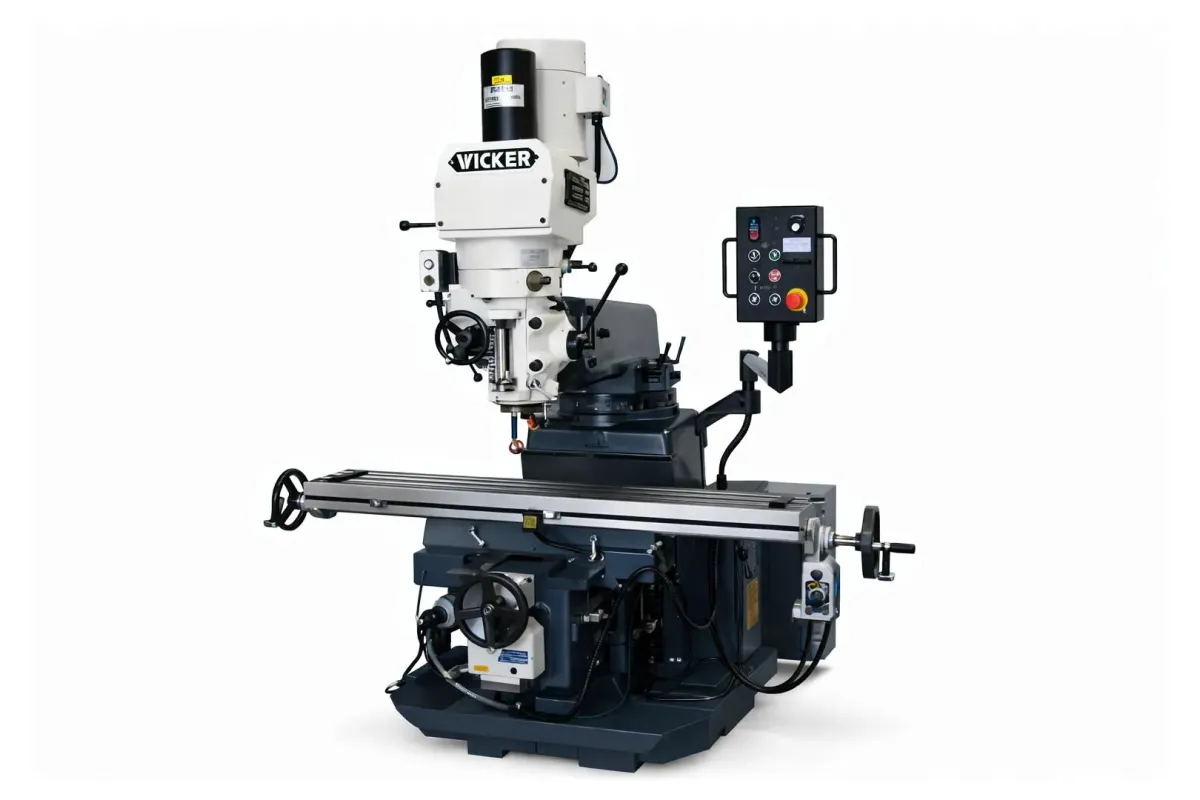
Phoebus PBM 4EVSL milling machine with inverter head
| Technical specifications | |
|---|---|
X-axis travel: | 880 mm |
Y-axis travel: | 400 mm |
Z-axis travel: | 450 mm |
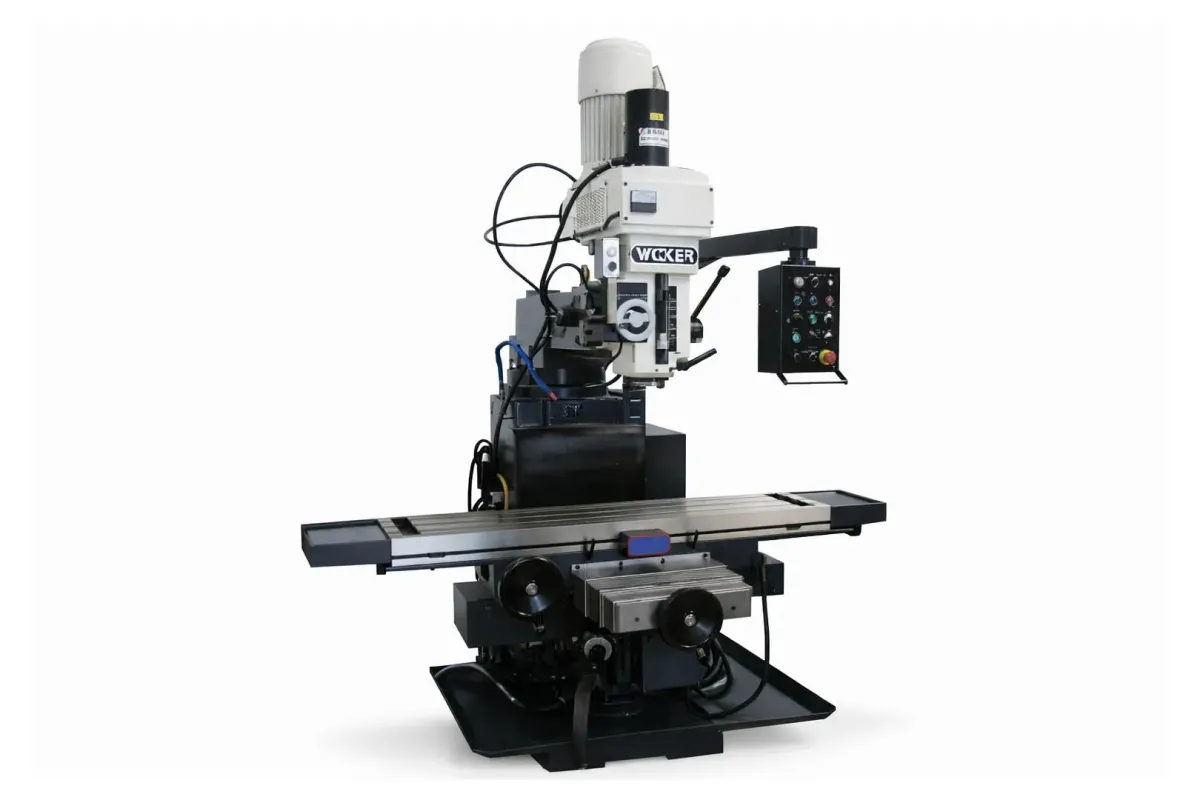
Phoebus EVS300AL milling machine with inverter head
| Technical specifications | |
|---|---|
X-axis travel: | 1150 mm |
Y-axis travel: | 390 mm |
Z-axis travel: | 510 mm |
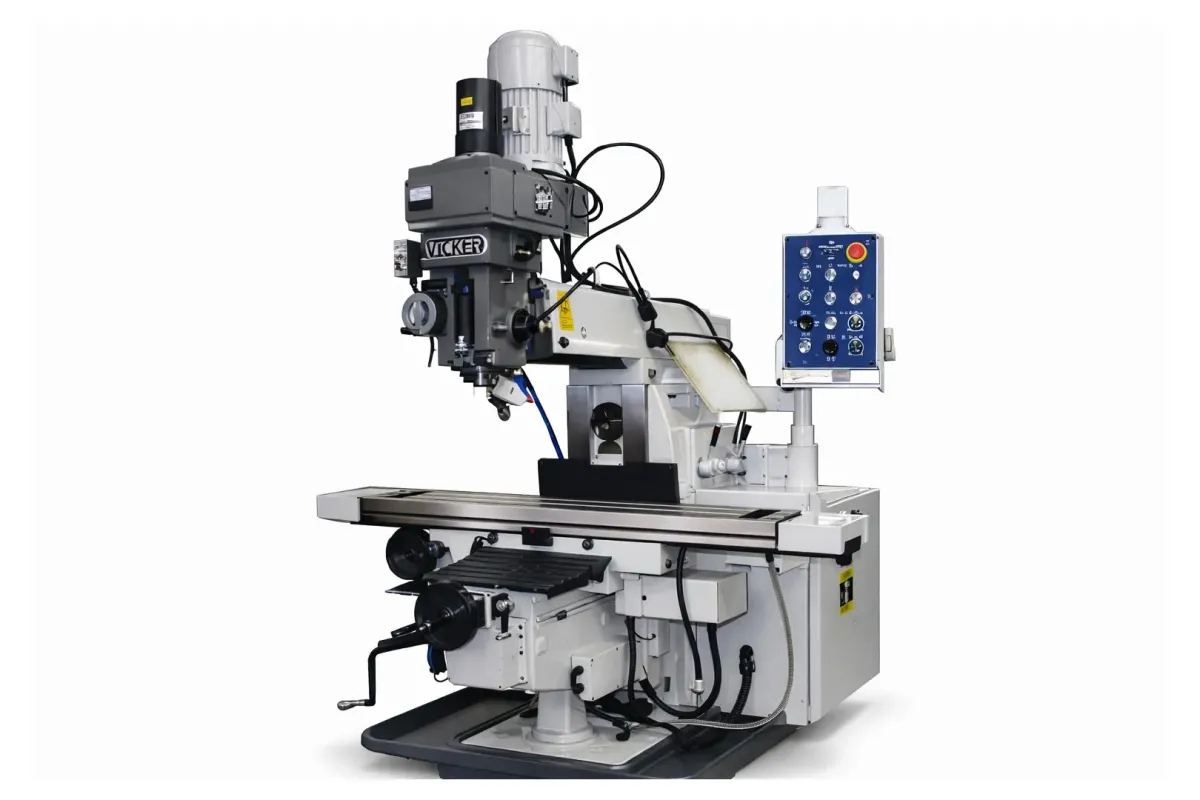
Phoebus GEVS300AL milling machine with inverter head
| Technical specifications | |
|---|---|
X-axis travel: | 1190 mm |
Y-axis travel: | 390 mm |
Z-axis travel: | 510 mm |
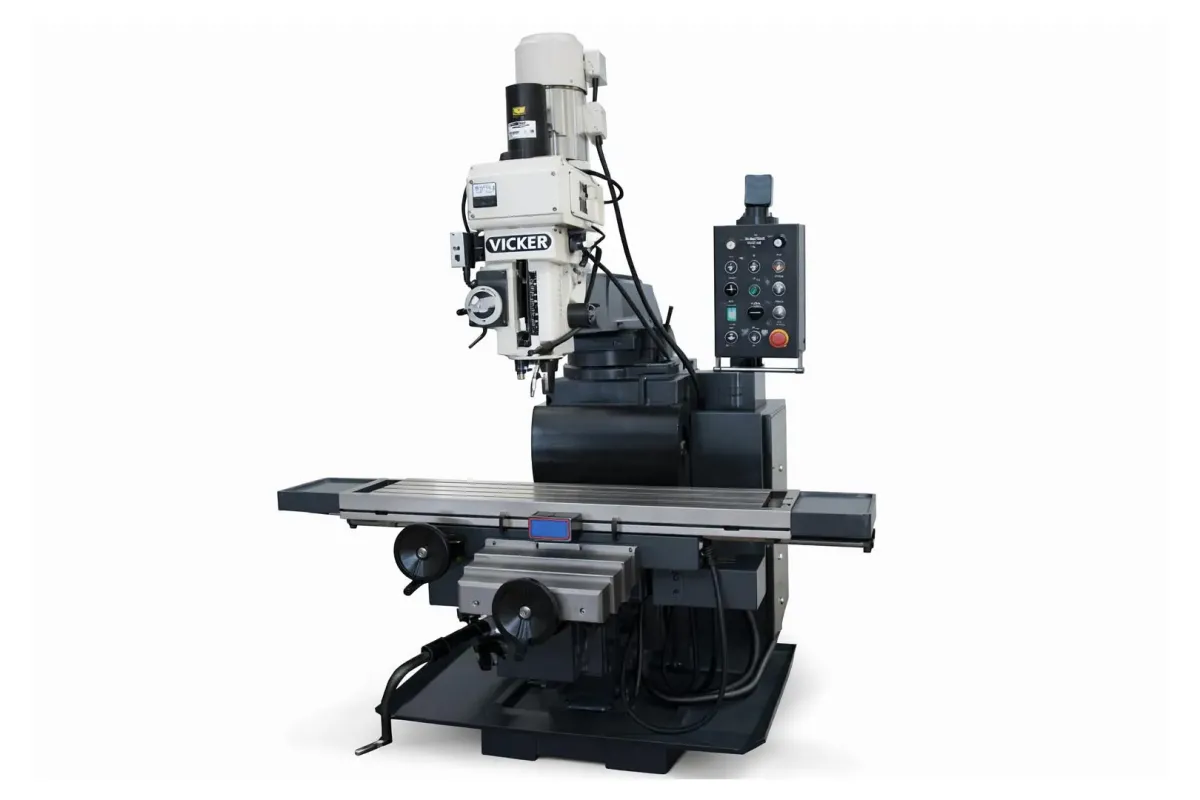
Phoebus EVS500A milling machine with inverter head
| Technical specifications | |
|---|---|
X-axis travel: | 1150 mm |
Y-axis travel: | 540 mm |
Z-axis travel: | 385 mm |
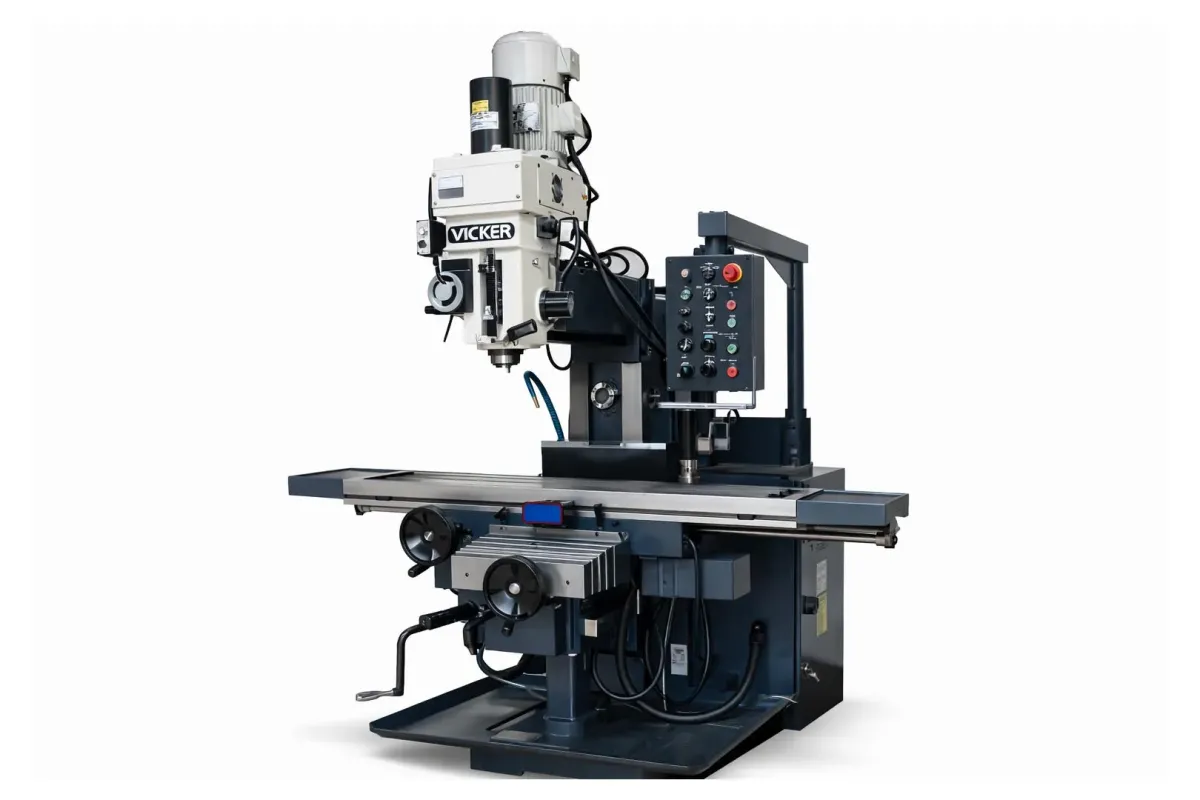
Phoebus GEVS500A milling machine with inverter head and horizontal spindle
| Technical specifications | |
|---|---|
X-axis travel: | 1200 mm |
Y-axis travel: | 540 mm |
Z-axis travel: | 380 mm |
Spindle power: | 5 HP |
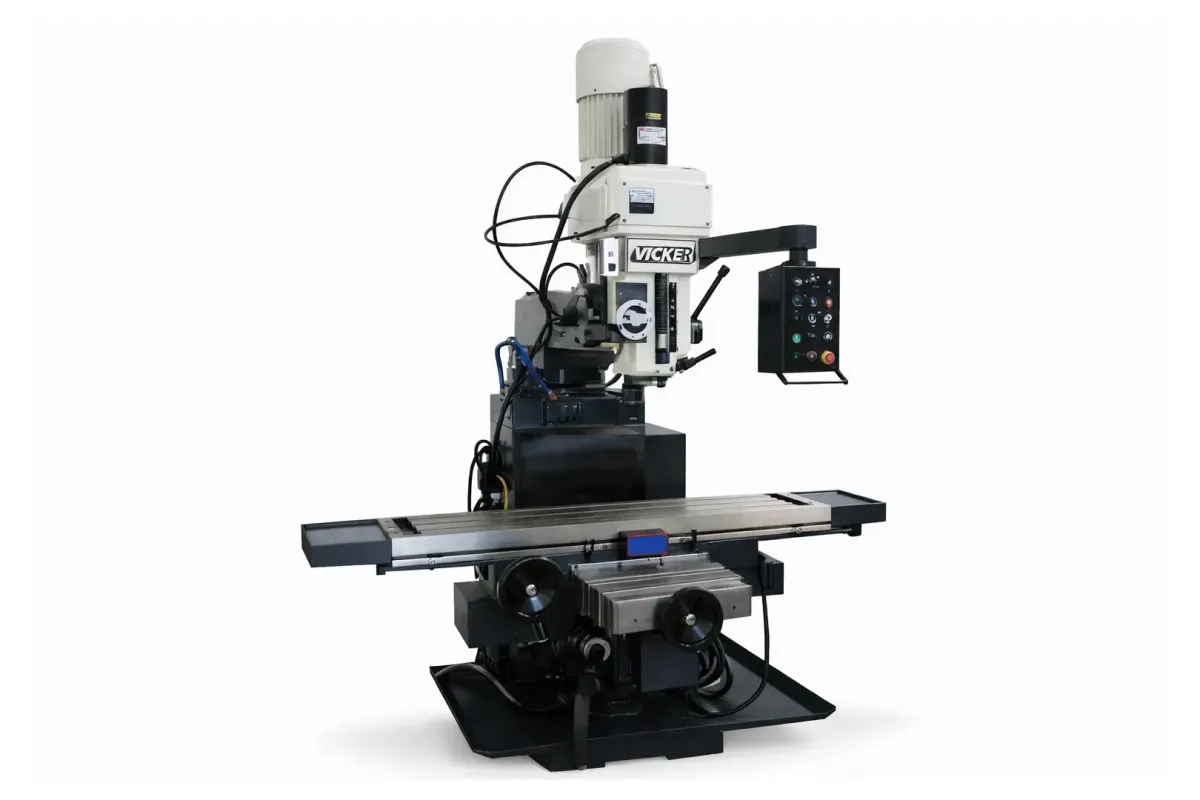
Phoebus EVS600A milling machine with inverter head
| Technical specifications | |
|---|---|
X-axis travel: | 1200 mm |
Y-axis travel: | 650 mm |
Z-axis travel: | 455 mm |
Spindle power: | 5 HP |
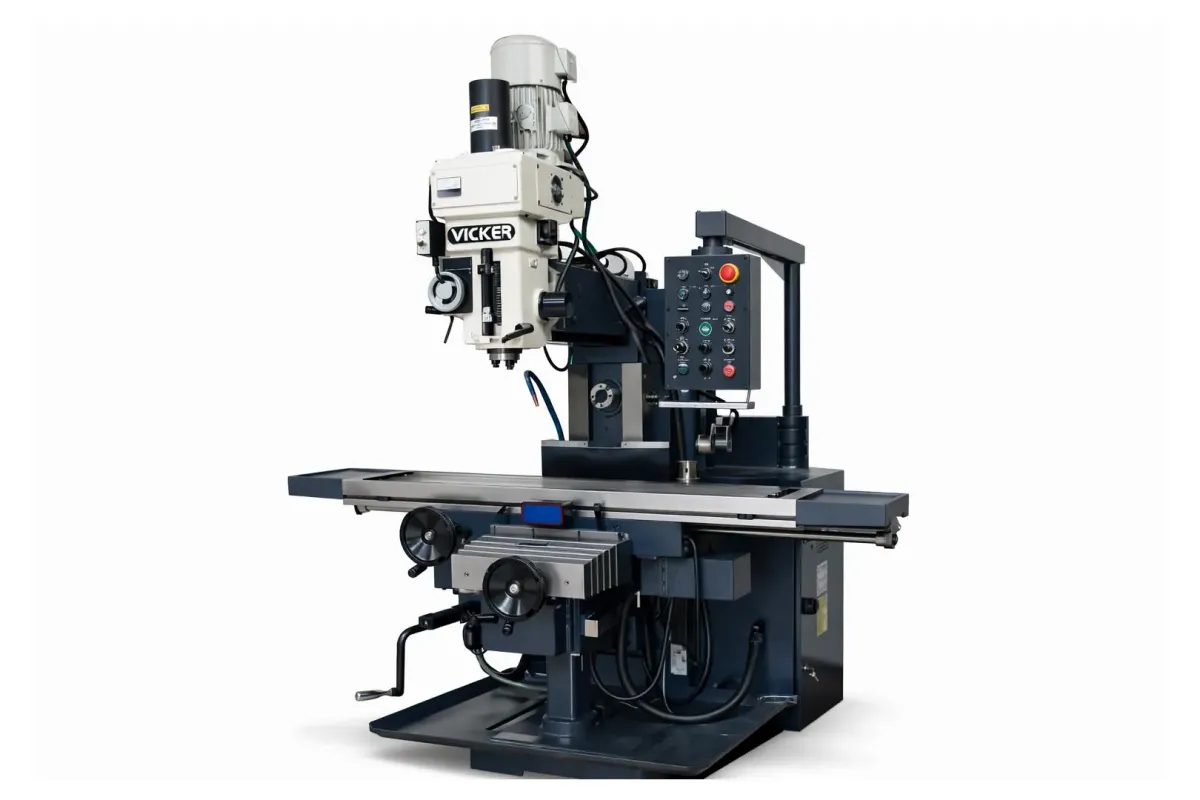
Phoebus GEVS600A milling machine with inverter head and horizontal spindle
| Technical specifications | |
|---|---|
X-axis travel: | 1200 mm |
Y-axis travel: | 650 mm |
Z-axis travel: | 455 mm |
Spindle power: | 5 HP |
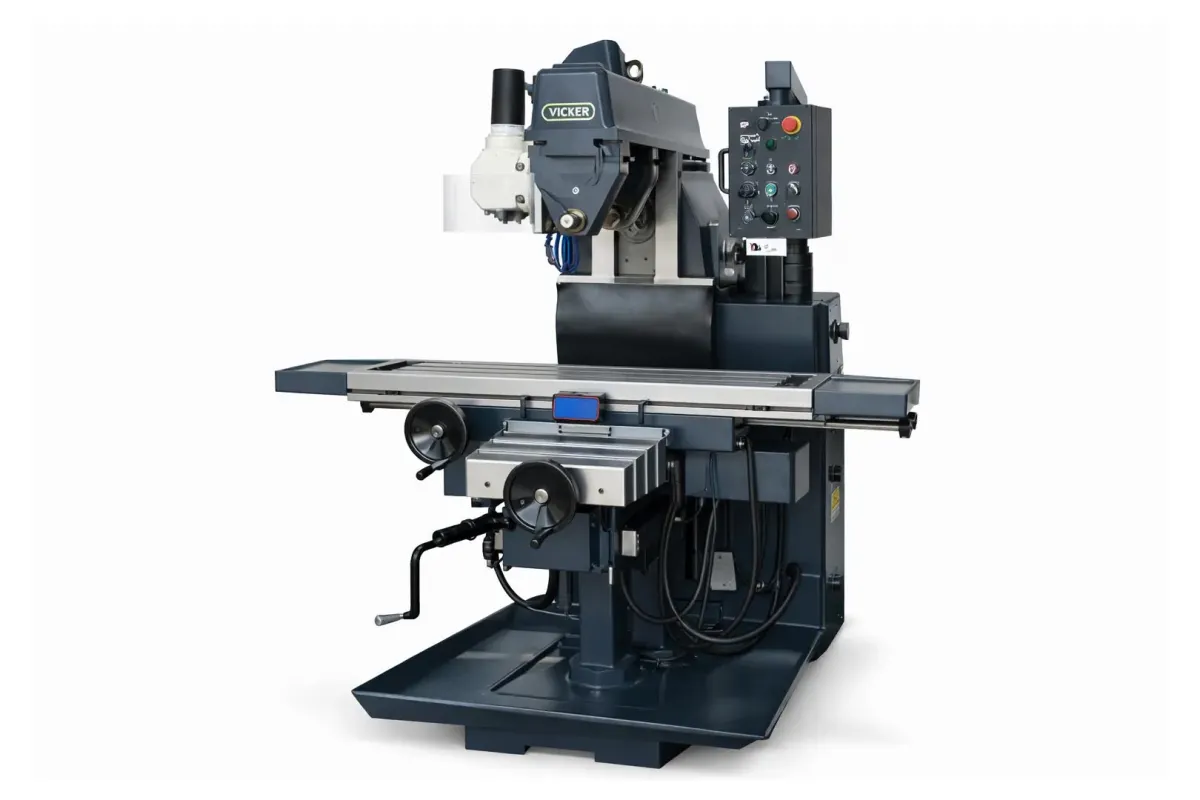
Phoebus HU 300 Universal Knee-Type Milling Machine
| Technical specifications | |
|---|---|
X-axis travel: | 1200 mm |
Y-axis travel: | 393 mm |
Z-axis travel: | 450 mm |
Vertical and horizontal milling machines are machine tools designed for milling, drilling, and finishing operations where rapid spindle speed adjustment and operational versatility directly impact productivity and surface quality. Skio operates as a specialized technical supplier for the mechanical industry: it supplies, configures, integrates, installs, tests, and supports high-speed head solutions aligned with materials, tools, and real production cycles.
When the search includes both “new high-speed head milling machines / used”, the key factor is not only price: head stability, feed repeatability, table setup, and spindle unit condition are critical. The correct technical choice starts from the workpiece and tolerances, not from the catalog sheet.
What is meant by “high-speed head”
The term “high-speed head” refers to a vertical unit designed to quickly vary spindle speed and handle different machining operations without long reconfigurations. In typical workshop applications, this architecture is useful when alternating roughing and finishing operations, working on different metals, and requiring immediate response to cutting conditions (tool, material, depth, feed).
High-speed head with inverter: continuous control and cycle stability
A milling machine with an inverter-driven head introduces electronic speed control, allowing smoother adjustment and greater process consistency when switching between operations. In practice, the inverter becomes relevant when:
- optimizing cutting parameters across different materials
- requiring finer spindle speed control within the same operation
- ensuring stability over repeated cycles
Even in traditional machining, the real difference lies in rigidity, geometry, and process validation, not just spindle RPM.
Manual milling machine for metals: when it makes sense
The request “manual milling machine for metals” often relates to prototyping, tooling, and internal maintenance needs. In these cases, the high-speed head is a logical choice because it allows quick operation changes and direct control. Technical consistency should be evaluated based on:
- usable travel and effective working area
- feed quality and repeatability
- table setup and workpiece clamping
- spindle condition and geometric precision
New or used: technical criteria to avoid mistakes
In cases such as “used high-speed head milling machine”, “used milling machines from failures” or “used metal milling machine 220V”, the critical factor is technical verification before integration into production. A proper evaluation considers at least:
- clearances, wear, and smoothness of axes and guides
- condition of the head/spindle and noise under load
- functionality of feeds, lubrication, and cooling systems
- power supply compatibility (e.g. 220V/400V) and system integration
Skio approaches the selection from an industrial perspective: the machine must be considered as a system (mechanics + control + tooling + cycle), then configured and tested based on the expected result.
Parameters guiding configuration
| Parameter | Impact on process | Why it matters for high-speed head |
|---|---|---|
| axis travel (X/Y/Z) | defines workable parts, setups, and tooling | avoids unnecessary repositioning and maintains cycle consistency |
| head + column rigidity | dimensional stability and surface quality | reduces vibrations during aggressive feeds and finishing |
| spindle speed control | adaptation to tool/material | the high-speed head is designed for rapid operational speed changes |
| feeds and lubrication | repeatability and guide protection | supports workshop use with continuous cycles and frequent changes |
Available models
This category includes PHOEBUS high-speed head milling machines with different travels and configurations, including versions with inverter-driven heads and horizontal spindle solutions. Select the model based on travel, dimensions, workpiece type, and process objectives.
Useful links within the machine fleet
If you are comparing more rigid architectures for large-scale machining, also consider bed type milling machines. For comparison with more structured vertical configurations, you can explore heavy duty boring and milling machines.
Frequently asked questions about high-speed head milling machines
What is the difference between a high-speed head and an inverter-driven head?
The high-speed head is designed to handle rapid speed changes and different operations efficiently; the inverter-driven head adds more continuous electronic speed control, useful for optimizing cutting parameters and maintaining process consistency.
When is it worth choosing a used high-speed head milling machine?
It is worth it when mechanical and functional conditions are verified and the machine matches the production cycle: axes, guides, spindle, feeds, lubrication, and systems must be checked before integration into production.
Are there high-speed head milling machines for metals with 220V power supply?
Some configurations may be compatible with 220V, but verification must be done on motors, inverter (if present), and electrical panel. Proper integration into the workshop system is essential.
What operations can a manual milling machine for metals with a high-speed head perform?
It covers typical workshop operations such as face milling, slots, seats, drilling, countersinking, and finishing on parts compatible with travel and working area. Performance depends on rigidity, tooling, and cutting parameters.
Technical selection and production continuity
A high-speed head milling machine is effective when the machine is aligned with the process: usable travels, head stability, feed quality, and system integration must work together. If you want to define a truly productive configuration (new or used) based on parts, materials, and tolerances, you can request a technical consultation.
